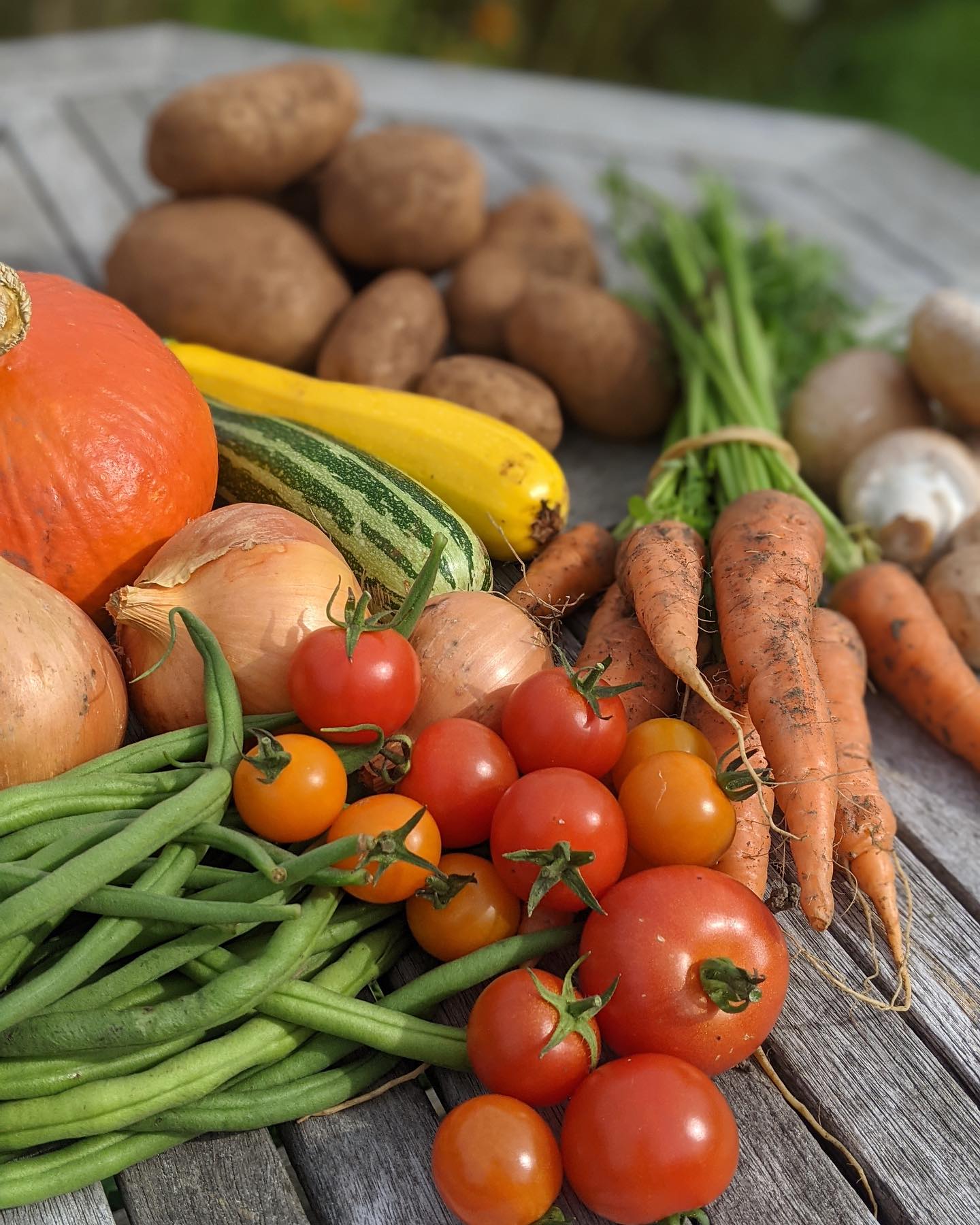
Seasonal Fruit and Veg and the UK Climate
Hardiness Zones
The US Department of Agriculture came up with a system of dividing areas of the country based on average winter temperatures in a ten year window for any region of the US. It has now been applied to the rest of the globe more or less, with 1 being absolutely freezing and 16 very hot.
The UK sits from anywhere between 9 and 6 as our maritime climate means we get relatviely mild winters, thus it can be deceptive, as the hardiness zones don't take into account overall light levels due to heavy cloud cover, Northerly Latitude and of course rain!
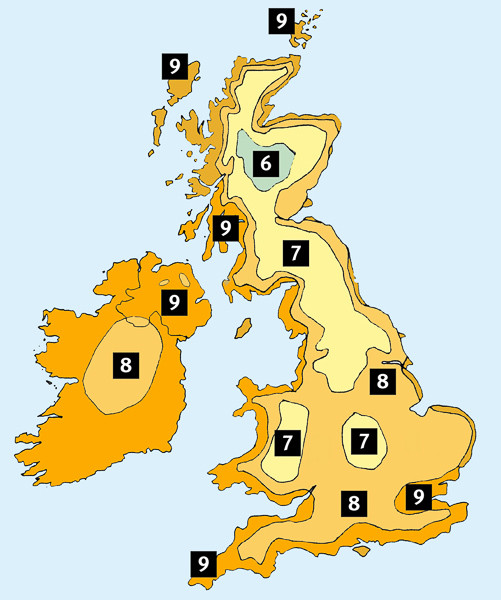
courtesy of gardenia.net
Fruit and Vegetables, Seasonality as defined by growing conditions
So we get good temperatures relatively speaking compared to some areas of the continent, however due to often prolonged periods of cloud cover and lack of sun in winter, this limits what is available to a truly seasonal eater in the UK somewhat, as most vegetables will not grow and survive without temperatures regularly above 12 Centigrade and ample sunlight, and as we all know as UK residents, this is not a given most years!
Brassicas and Storage Crops to Start the Year
Let's start our year off at Plough Sunday, the first Sunday after epiphany (6th January), in the New Year, this year's having been the 7th January. What can we expect to see still out on the fields? Well depending very much on where you live in the UK, you're likely to have harvested all your root crops by now. So that's potatoes, onions, carrots, beetroot, celeriac and possibly parsnips. Parsnips, swede and turnips can be left out in the field in all but the coldest areas as these are not as troubled by slugs, root fly or soil bourne pathogens or indeed small mammals as the aforementioned. That leaves (no pun intended), us with brassicas, perhaps some hardy kale, cabbages, cauliflowers, purple or white sprouting broccoli, Brussel Sprouts and of course leeks. Our forebears would have eaten a very brassica heavy diet at this point in the season, as the native leaf beat (now more commonly called perpetual spinach), true spinach and chard, do not generally survive the low light levels and high rainfall in winter, unless you have them in a poly tunnel, which can mean you jump 1-2 zones up in the hardiness scale and thus what you can grow well. In milder areas you may be able to grow spinach and parsley outside year round as well as endive and maybe even some winter lettuces with a fleece on them (see Charles Dowding's YouTube channel for the best idea of what's possible outside in Devon veg wise). All that said you'll be eating some or all of the above till about March or April. Then we enter the dreaded Hungry Gap....
The Hungry Gap, or Spring to Most People
History of a Name
So named as in previous years our ancestors, before the times of a globalised food system, would've been going quite hungry or even starving for this period of time before the new seasons plantings have grown and come to fruition. Much depended on the stores of the previous years harvest of things like grain, peas and beans for not only humans but also livestock. Mangolds, turnips and preserved foods and meats would of been the last items in the cupboard before resorting to the wild foraged foods of rabbit and other game (legal or illegal) and fish to supplement their diet. It's no coincidence that the hungry gap coincides with religious periods of fasting, with the word Lent is derived from the Anglo-Saxon word “lencten” meaning “spring”, beginning a month or so before the vernal equinox.
Hungry Gap Today
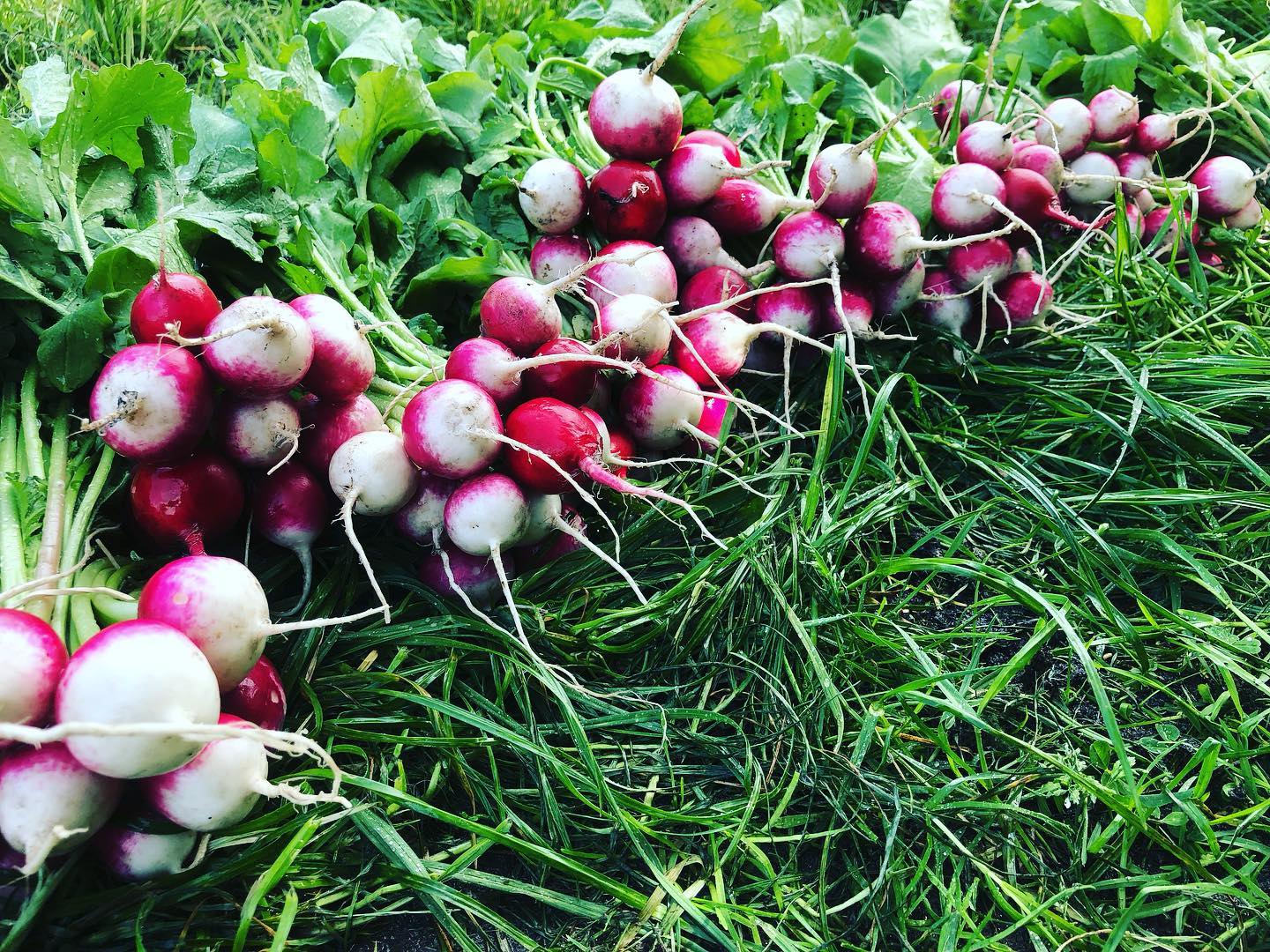
With the advent of modern storage techniques and covered cropping space as well as globalised supply chains, we can still provide you all a bag full of fruit and veg in this period. The hungry gap still has a few crops that have gone in the ground the previous year, garlic, hungry gap kale's such as 'Siberian' or 'Cottagers' kale and purple sprouting or white sprouting broccoli. We always try to minimise the impact of this time of year to our income by planting crops like early lettuce, radish, brassica salad, perpetual spinach, chard, kale, broad beans, bunching turnips, spring onions, fennel as soon as possible. We planting these crops the last week of March and through till mid April for our first harvests, beginning in late April and mid May for salads and lettuce and radish, then June for spinach, chard and kale, with the first week of July being harvesting things like broad beans, French beans, beetroot, bunched turnips and maybe even a cucumber or two.. Fruit wise we have one word for you in this period, rhubarb!
Summer's Bounty
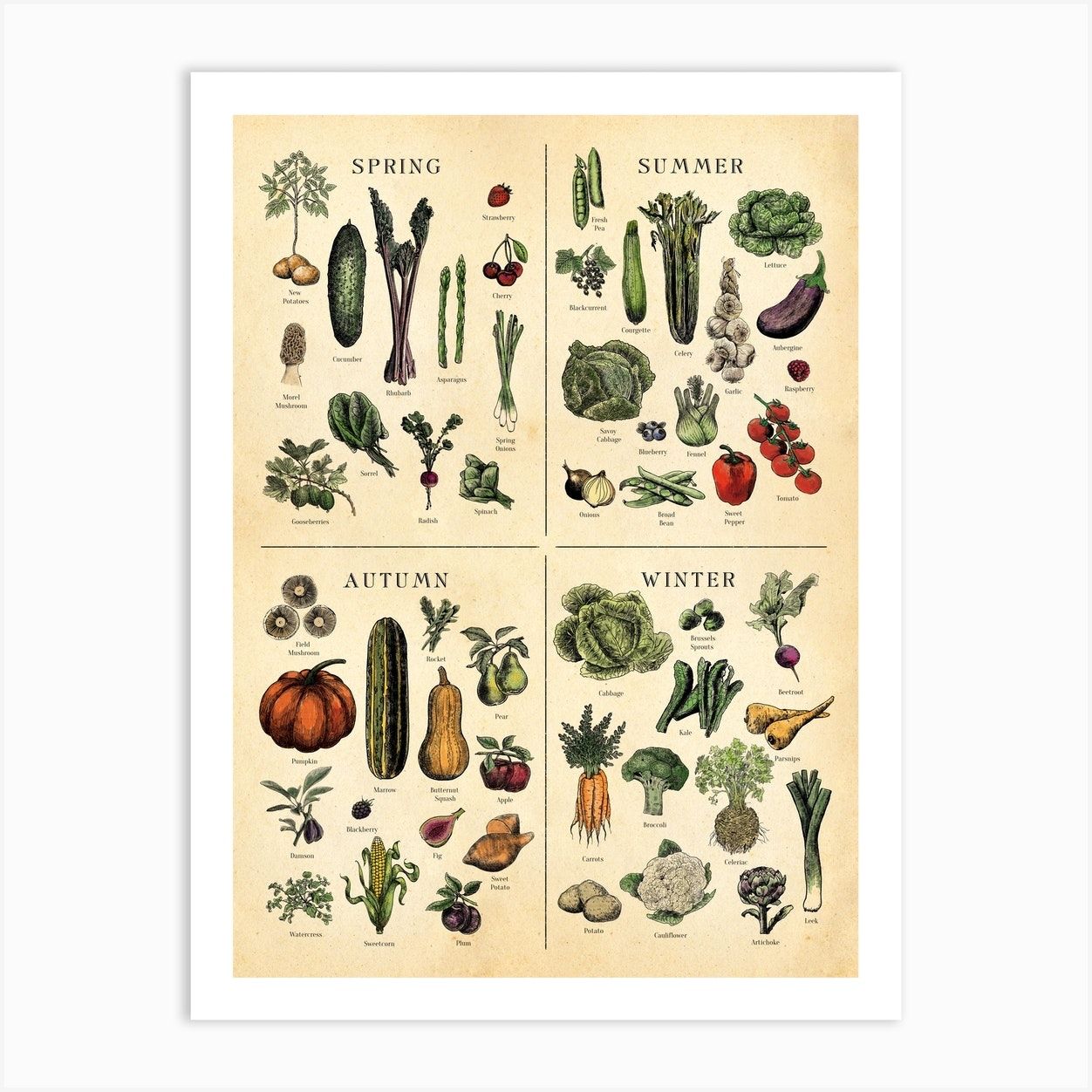
Summer offers a whole wealth of produce, with all the late spring crops plus the beginnings of main crops and vegetables like broccoli and tomatoes, summer cabbages and even aubergines and courgettes by mid July all growing away nicely in the summer sun. Carrots can just about be harvested in the last week of July here in Sheffield and we sow those in the second or third week of April outside. Early Potatoes and second earlies will also be available along with bunched onions in early August and summer squash around this time. We grow our tomatoes in a poly tunnel, but as you may know it's also possible to grow them outside in some warmer and drier areas of the UK. We get them in the ground early (mid April) but they only really start to crop properly in the last week of July for cherry toms and mid August for the large ones, we rip these out in mid October in order for our salad and spinach crops to establish properly. So it's really only two and a half months that this emblem of summer is available from us at this latitude in Sheffield. On the fruit side, strawberries have arrived at the very end of June most areas, then there's a bit of a gap and we have the first of the blackcurrants, gooseberries, josta berries and white and red currants, and maybe some cherries too in mid July to early August. Plums as well as the very earliest Apples also make an appearance in August.
Autumn and Early Winter, Harvest Time!
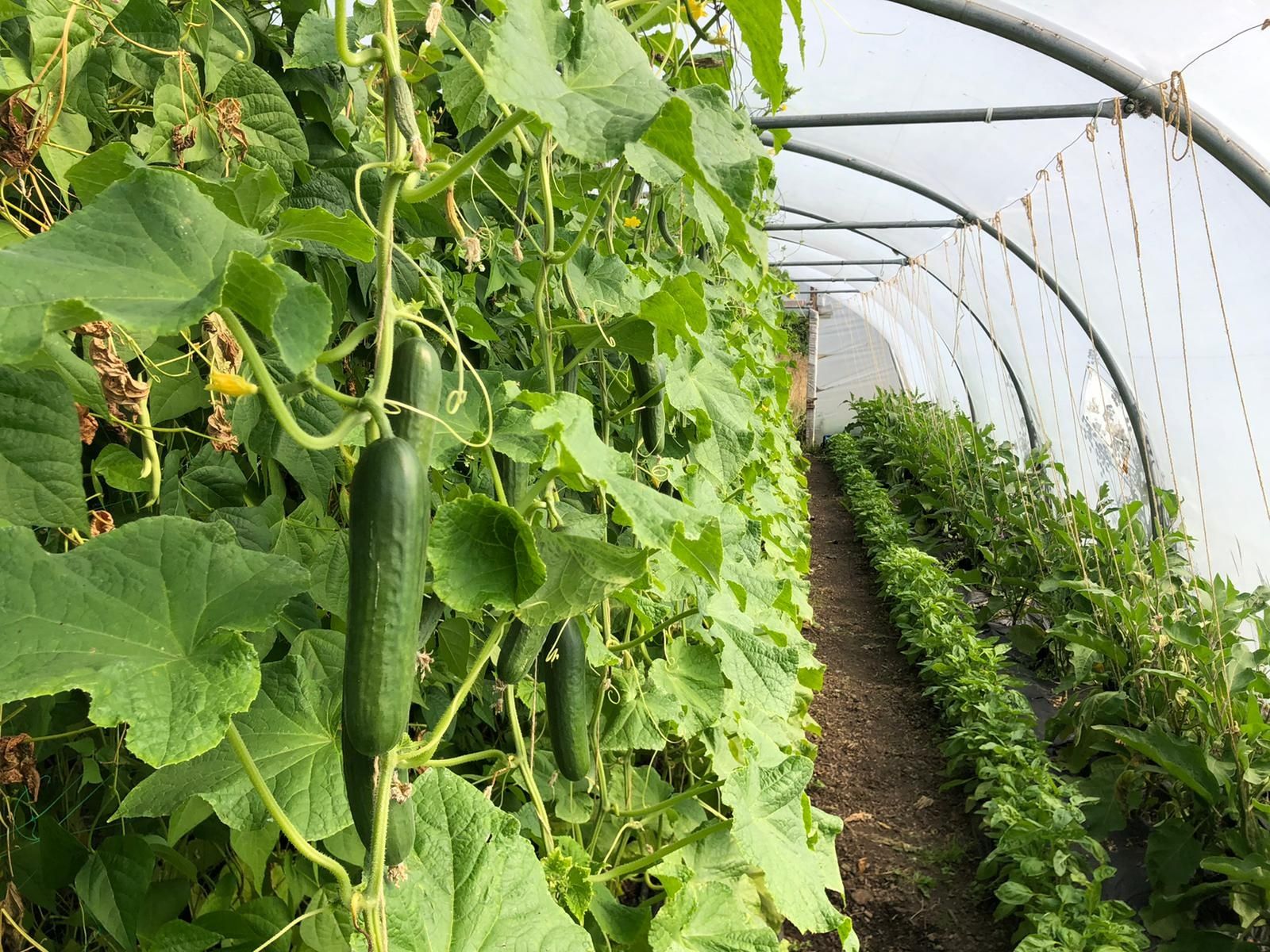
There's loads of lovely autumn produce to be had in September and early October still, peppers, aubergines, tomatoes and cucumbers are all still cropping in the polytunnels. Out in the fields we say hello to savoy and pointed cabbages a plenty, cauliflowers, broccoli, leeks and some autumn salads such as endive, last of the lettuce and chicory can all be enjoyed and savoured as the season starts to draw to a close. September is also the beginning of harvest time for storage crops like, onions, potatoes and squash, which are all being brought in at this point before the first frosts and more wet and unsettled weather sets in. Harvests don't stop there though, as we progress through the autumn and early winter other crops like beetroot, carrots and celeriac are brought in before the wet, cold and small invertebrates, mammals and slugs do too much damage to them. Red and white cabbages can also be brought in and stored if the weather is looking really bad, especially in colder regions where repeated rain and then snow and ice does real damage to even swede. So this brings us up to Brussel's sprouts for Christmas again, and hopefully the crops have grown well and stores plentiful that last right up till April again. Apples and pears are all harvested before the first frosts and put in temperature controlled and atmosphere controlled large chillers, so with the advent of this modern technology and variety breeding we can be enjoying UK pears and particularly apples right up till March and April in a good year!
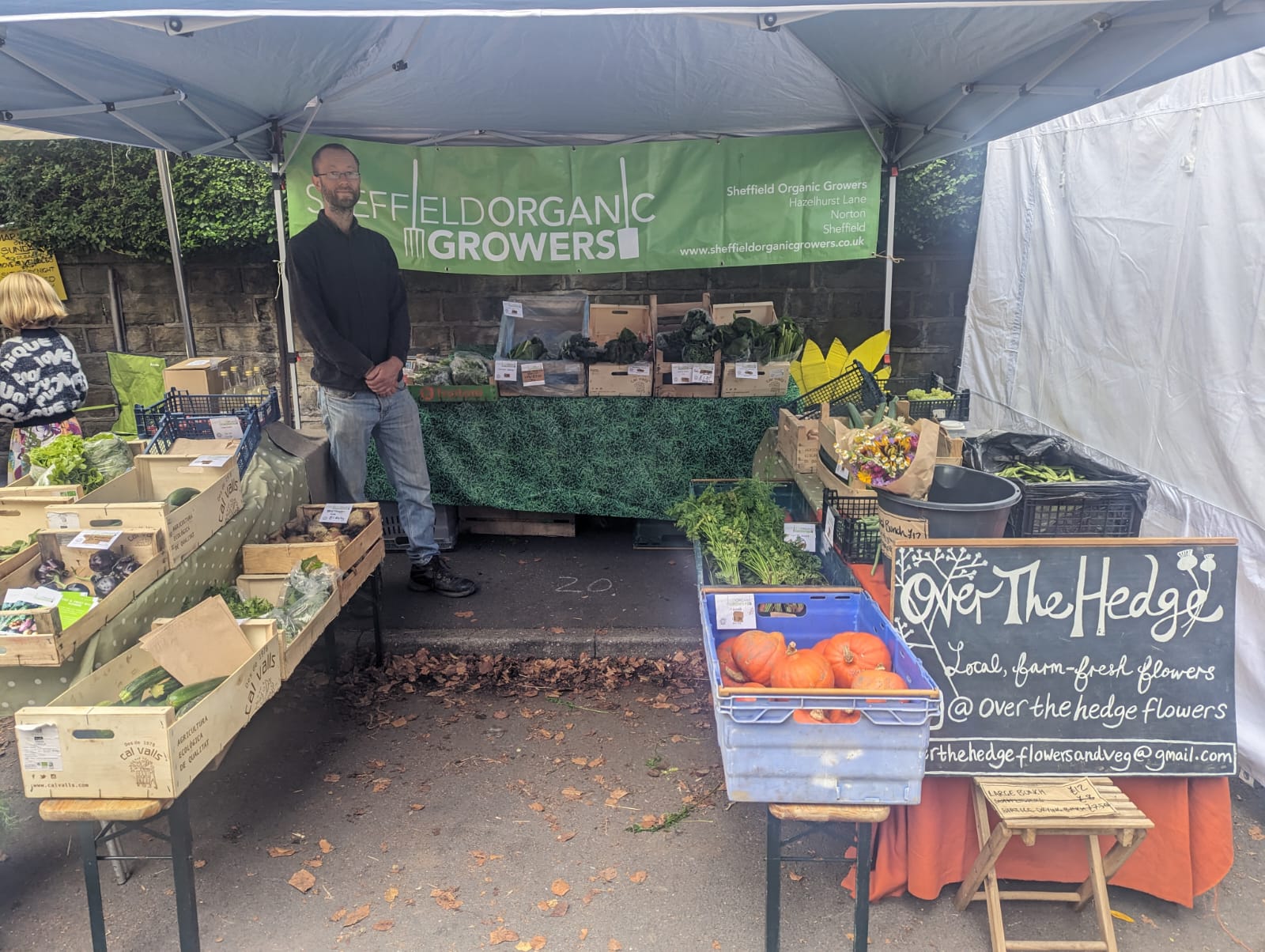
Above Nick at Nether Edge Farmer's Market in 2023, grapes, beans, tomatoes, aubergines, squash, kale, spinach, chard, carrots, onions...the list is long in September for what's available!
What we can grow in Sheffield
We aim to produce as much of the veg that goes into your Sheffield Organic Growers veg bag as we can right here on our 2 acre market garden, with a focus on the spring, summer and autumn crops, given our slightly harsher climate and ever present snow in winter, it's riskier to grow lots of late winter crops- some purple sprouting, cabbages and cauliflowers come from our field as well as leeks in January through till April, our carrots are usually finished by January after cropping from early August and our squash store right through till March. You can see what goes into our bags and where we source it every week on our website at the veg bags section here. There's always our tunnels which provide the salad and perpetual spinach throughout the winter months, however we do have to supplement our bags come February as do many organic veg box schemes around the UK, particularly in a bad year like we've just had in 2023. As I write this mid February in 2024, the wholesale list offering from our wholesaler Organic North is already looking rather slim for UK veg, highlighting the need to invest in the sector and look at ways we can help farmers mitigate climate disruption to UK food growing.


© 2026 - Sheffield Organic Growers
Powered by
